
Which countries use the US dollar as their local currency?
Stephen DAlton 02 September 2026


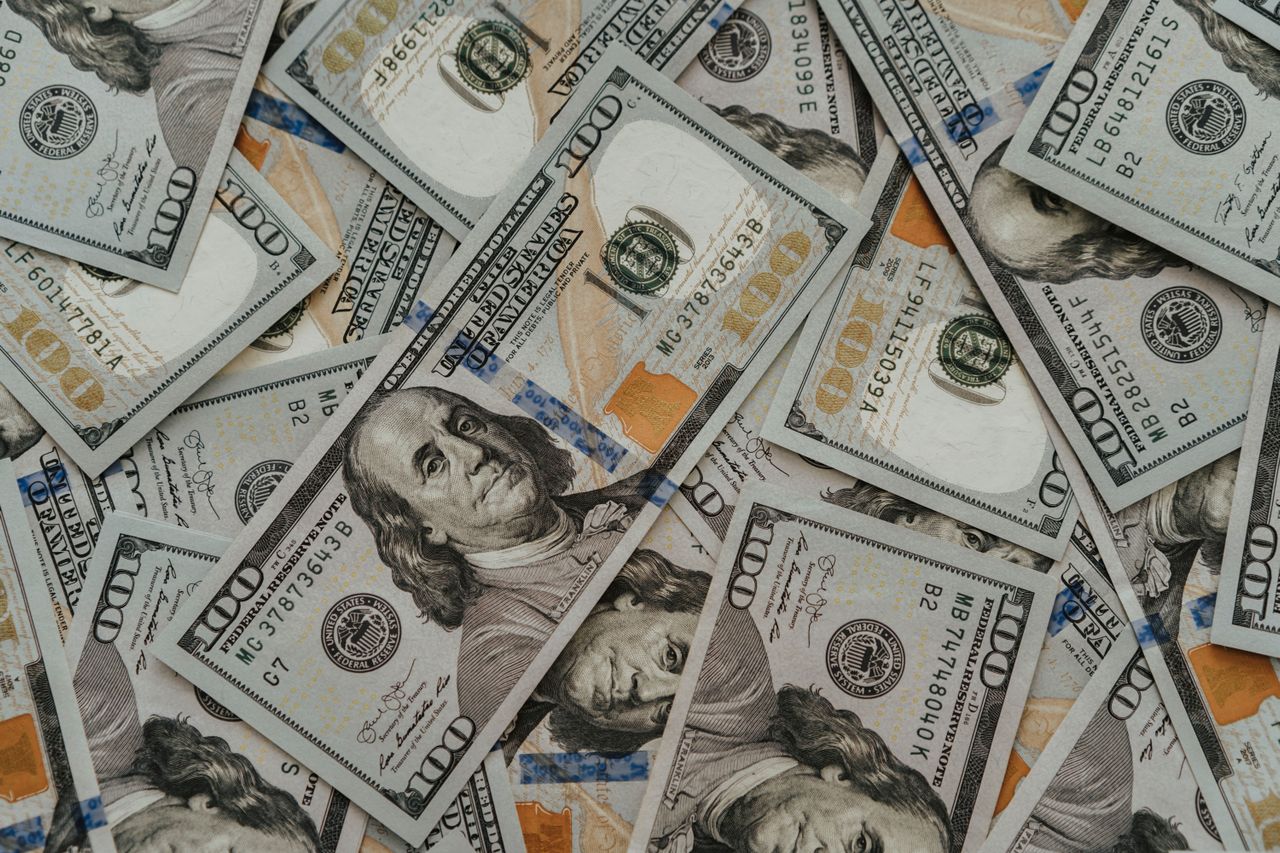
The US dollar (USD) is by far the most traded currency in the international forex market, and the world's leading reserve currency, accounting for about 56.8% of global foreign exchange reserves.
Central banks of countries around the world hold foreign exchange reserves in stable, highly liquid currencies to back their domestic liabilities and manage exchange rates. For this reason they choose major currencies like the US dollar. The most widely held reserve currencies according to International Monetary Fund (IMF) data are:
- US Dollar (USD): 56.8%
- Euro (EUR): 20.2%
- Japanese Yen (JPY): 5.8%
- Pound Sterling (GBP): 4.4%
US dollars are issued and regulated by the Federal Reserve, commonly referred to as the Fed, who are responsible for managing monetary policy, setting interest rates and controlling the money supply.
Events that affect the value of the US dollar
The dollar's global dominance in trade and finance, coupled with the stability of the US economy, which boasts the largest GDP in the world, ensures its continued strength.
However, as with all currencies the value of the US dollar can be affected by major political and economic events. Key among these are:
- Interest Rate Changes: When the Federal Reserve raises interest rates the dollar often gets stronger since higher rates attract foreign investment seeking better returns. Conversely, lower rates are usually weaken the dollars value.
- Inflation Reports: High inflation reduces the purchasing power of the dollar. However, if markets expect the Fed to fight that inflation with higher interest rates, the dollar's value can rise.
- Geopolitical Crises and Wars: Global instability, conflicts or wars cause investors to seek out safe assets. This can result in a strengthening of the dollar.
- Economic Growth Data: Strong economic reports, such as high Gross Domestic Product (GDP) growth or low unemployment, boost confidence and push the dollar up. Weak data or slowing consumption does the opposite.
- Trade Deficits: A large trade deficit, ie. where the U.S. imports more goods than it exports, places downward pressure on the currency over time.
- Trade Policy and Elections: Political uncertainty, shifting trade agreements, or major national elections can trigger sudden market volatility and alter foreign investment flows.
Which countries use the US dollar?
Outside of the United States there are a number of independent countries that have adopted the US dollar through a process known as dollarisation.
Dollarisation refers to the situation where a country adopts a foreign currency, most commonly the US dollar, as its official legal tender. This is often used as a tool to stabilise economies facing high inflation, currency devaluation, or financial crisis. The following countries use the US dollar as legal tender:
- Ecuador
- El Salvador
- Marshall Islands
- Micronesia
- Palau
- Liberia
- Timor-Leste (East Timor)
- Zimbabwe
In addition to the US dollar Liberia also recognise the Liberian dollar as official currency while Zimbabwe operates a multi-currency system that includes the US dollar.
Territories and Special Municipalities that use the US dollar
There are various US and non-US regions that officially use USD.
- US Territories: Puerto Rico, Guam, American Samoa, the US Virgin Islands, and the Northern Mariana Islands.
- British Overseas Territories: The British Virgin Islands and the Turks and Caicos Islands.
- Caribbean Netherlands: Bonaire, Sint Eustatius, and Saba use the dollar alongside the euro.
Non-US territories often adopt the US dollar to simplify trade and tourism.
Which countries peg the value of their currency to USD?
Some smaller countries have directly pegged the value of their currency to USD. Currency pegging is the process whereby a country fixes its exchange rate to another currency to maintain economic stability. Countries with US dollar currency pegs include Cuba, Belize, Panama, Qatar, Saudi Arabia, UAE and Hong Kong. In order to ensure a stable peg these countries must keep large foreign currency reserves so that they are always able to honour the set exchange rate.
Which countries have their own dollar currencies?
Other dollar currencies are not in anyway related to the US dollar. They are separate national or regional currencies, each with its own value, central bank and exchange rate.
- Australia: Australian Dollar (AUD); used in Australia, Kiribati, Nauru, and Tuvalu.
- Canada: Canadian Dollar (CAD).
- New Zealand: New Zealand Dollar (NZD).
- Hong Kong: Hong Kong Dollar (HKD); pegged to the US dollar.
- Singapore & Brunei: Singapore Dollar (SGD) & Brunei Dollar (BND); separate currencies that are fully interchangeable at a 1:1 rate.
Make international USD payments from the UK with GlobalWebPay
With GlobalWebPay you can send US dollars to many of the countries mentioned in this article as well as to USD-denominated accounts in countries like Australia, Belgium, and the Philippines. Use the currency calculator to see which currencies are available for a particular destination country.
GlobalWebPay is a UK based, FCA registered money transfer provider that specialises in fast, low cost international payments. They've been helping customers make international money transfers from the UK since 2010.
With a low flat fee, competitive exchange rates, and no hidden charges, GlobalWebPay is the smarter choice for making personal, business and charitable cross-border payments from the UK.
So, if you are looking to send some money abroad why not SIGN UP with GlobalWebPay today and pay no fee on your first transfer by entering the FEEFREE promo code at Checkout.