
Which countries use the euro as their local currency?
Stephen DAlton 30 August 2026


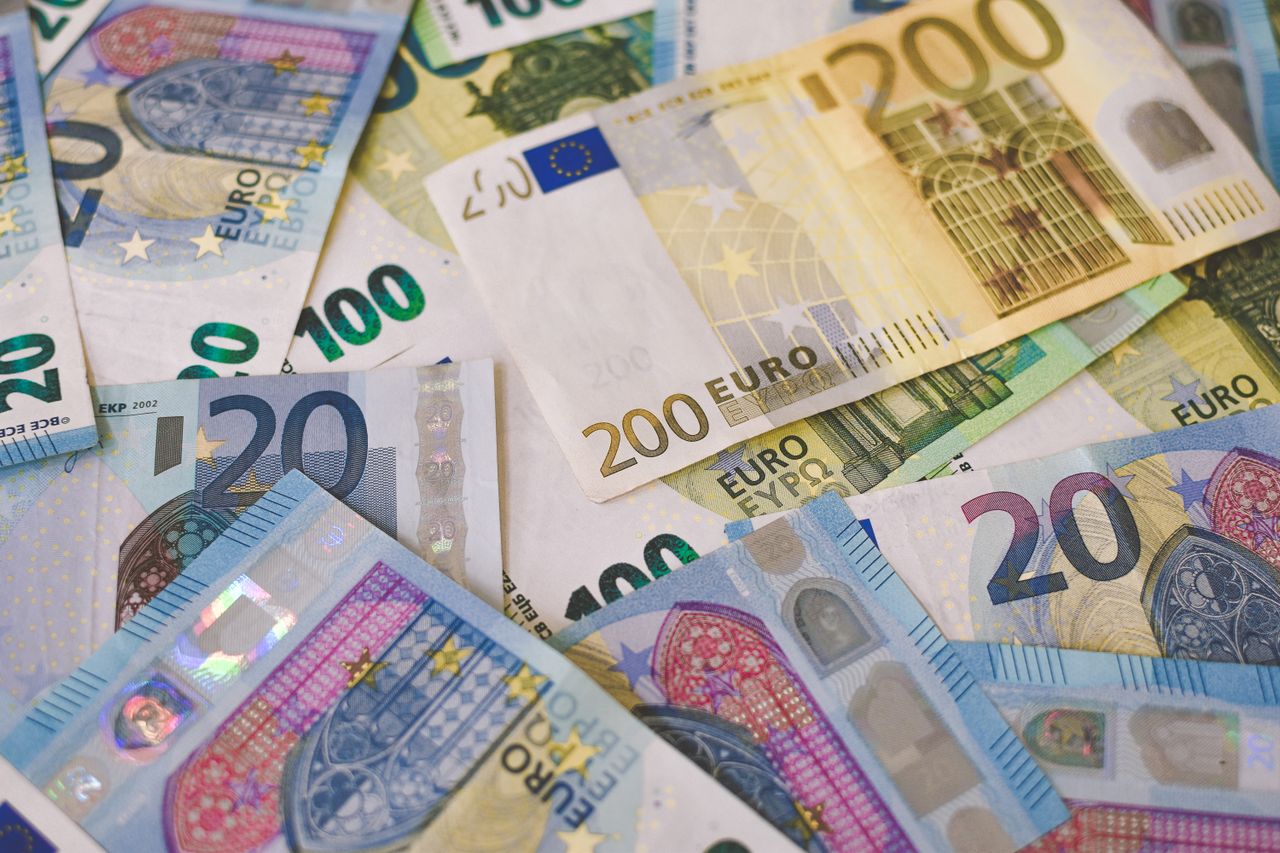
The euro is one of the world's strongest currencies, thanks mainly to the role it plays across the eurozone, a large and closely connected economic bloc made up of 21 European Union (EU) member states that use the euro as their official single currency.
Regulated and managed by the European Central Bank (ECB), the euro is the world's 2nd most traded currency on the international forex market behind the dollar.
The euro's value is influenced by economic events within the eurozone like ECB meeting announcements, GDP rates, employment data and national elections among the member countries.
As with the US dollar, the euro is the focus of several currency pegs (when a country fixes its exchange rate to another major currency like the euro or US dollar), mostly by African nations who have strong trade relations with Europe. These African countries export commodities to Europe and import manufactured goods and hardware.
When did the euro become a currency?
It was first introduced to world financial markets as an accounting currency on 1 January 1999. At this point there were no physical notes or coins. Rather, the national currencies of participating countries ceased to exist independently and their exchange rates were locked at fixed rates against each other. New euro notes and coins became legal tender in eurozone countries from 1 January 2002. Twelve European (EU) states replaced their national currencies at that time; eleven of these had been there from the beginning while Greece joined in 2001.
On 1 May 2004 ten more countries joined the European Union. Of these the following have since become part of the eurozone:
- Slovenia (2007)
- Cyprus (2008)
- Malta (2008)
- Slovakia (2009)
- Estonia (2011)
- Latvia (2014)
- Lithuania (2015)
Croatia joined the EU in 2013 and adopted the euro in 2023. Bulgaria, an EU member since 2007, officially became the 21st country to take on the euro as its national currency, doing so on 1 January 2026.
Bulgaria's inclusion in the eurozone means that 358 million people are now connected by the euro.
Which countries use the euro and are part of the Eurozone?
Today the euro is the official legal tender in 21 of 27 EU member nations. The eurozone currently includes these countries:
- Austria
- Belgium
- Bulgaria
- Croatia
- Cyprus
- Estonia
- Finland
- France
- Germany
- Greece
- Ireland
- Italy
- Latvia
- Lithuania
- Luxembourg
- Malta
- Netherlands
- Portugal
- Slovakia
- Slovenia
- Spain
Eurozone Monetary Policy is collectively managed by the European Central Bank (ECB). The ECB and the central banks of the euro area countries are legally entitled to issue euro banknotes. In practice, only the national central banks (NCBs) physically issue and withdraw euro banknotes (as well as coins). The ECB does not have a cash office and does not handle cash in any way.
For citizens and businesses, having a shared currency with other countries can make things like travel easier and enable smoother cross-border trade within the eurozone.
Which EU countries don't use the euro?
Six EU member states currently maintain their own national currencies. Five of these; Czech Republic, Hungary, Poland, Romania and Sweden are required to join eventually under their EU accession treaties, while the sixth, Denmark, has a legal opt-out.
Which non-EU countries and microstates use the euro?
There are 4 European microstates that use the euro as their official currency under formal agreements with the EU:
- Andorra
- Monaco
- San Marino
- Vatican City
Under these agreements they can also issue limited quantities of their own euro coins, but not euro banknotes.
Kosovo and Montenegro also use the euro as their domestic currency but without a formal agreement with the EU.
Make international EUR payments from the UK with GlobalWebPay
With GlobalWebPay you can send Euros (EUR) to eurozone based recipients as well as to EUR-denominated accounts in a number of countries around the world. To confirm whether EUR payments are possible, choose the destination country from the Coverage page and then check available currencies on the calculator.
GlobalWebPay is a UK based, FCA registered money transfer provider that specializes in fast, low cost international payments. They've been helping customers make international money transfers from the UK since 2010.
With a low flat fee, competitive exchange rates, and no hidden charges, GlobalWebPay is the smarter choice for making personal, business and charitable cross-border payments from the UK.
So, if you are looking to send some money abroad why not SIGN UP with GlobalWebPay today and pay no fee on your first transfer by entering the FEEFREE promo code at Checkout.