
Is the duopoly of Mastercard and Visa starting to unravel?
Stephen DAlton 31 May 2026


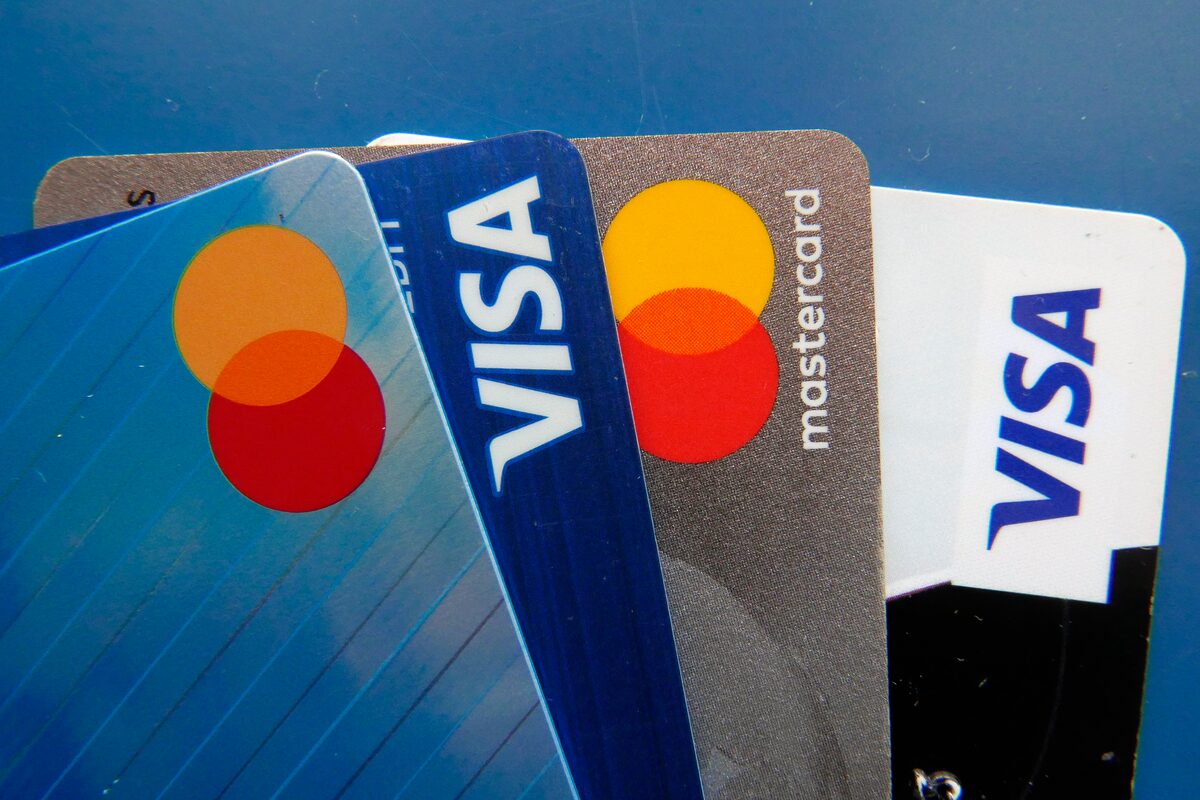
Based on what is currently happening in Europe and the UK the answer to this question seems to be a definite YES.
Introduction
Few of us will go through life never having seen a Mastercard or Visa logo. For many just opening our wallets and pulling out a bank card puts us face to face with the branding of one of these payment giants.
And it's not just logos on bank cards that keep these two formidable brands in the public eye. Both corporations invest hundreds of millions of dollars annually into sponsoring global sports, fashion and entertainment with the aim of driving consumer brand loyalty.
This substantial investment in putting their brands front and centre has clearly paid off.
Global dominance
Currently, Mastercard and Visa dominate the global payments market accounting for 90% of all payment processing outside of China.
European Central Bank (ECB) data shows that 61% of card payments in the eurozone and nearly all cross-border transactions use Visa and Mastercard payment networks, while in the UK around 95% of UK card transactions are made using payment systems owned by this duopoly, according to a 2025 report by the Payments Systems Regulator. That dependency becomes even greater as cash payments decline across Britain.
Maintaining the status quo
In recent years Mastercard and Visa have sought to solidify their dominance through acquisition.
CurrencyCloud, a global platform that enables banks and fintechs to provide innovative foreign exchange solutions for cross-border payments, became part of Visa at the end of 2021 under a $700 million deal.
And just a few weeks ago Mastercard used their own deep pockets to finalise the $1.8 billion purchase of London-based stablecoin payments infrastructure provider BVNK, a move that bridges the gap between blockchain-based digital assets and traditional fiat rails.
BVNK will power stablecoin capabilities across Mastercard’s payment endpoints; enabling 24/7 stablecoin settlement for processors and acquirers; and adding stablecoin checkout to Mastercard’s payment gateway.
Partnerships have also helped Mastercard and Visa extend their global reach. In 2024, for example, Mastercard partnered with Worldpay, a global payment technology and solutions company, to enable it to offer Mastercard’s Ethoca Alerts to 1 million retailers worldwide. The service provides an early warning system that helps prevent a dispute from becoming a chargeback and reduce potential financial losses due to fraud.
“With ecommerce thriving, we’re working to make transactions as safe and as seamless as possible for all parties. This partnership with Worldpay extends our powerful technology to even more retailers around the world, reducing fraud. By working together, we will advance our shared goal of building trust and powering the global digital economy.”
Johan Gerber, Executive Vice President, Cyber & Intelligence at Mastercard
Breaking the stranglehold
But being everywhere places you under greater scrutiny. Mastercard, Visa and PayPal are currently under investigation by the UK's Financial Conduct Authority (FCA) for suspected anti-competitive conduct linked to the funding and usage of PayPal's digital wallet.
This comes at a time when the UK and Europe are actively exploring ways to reduce their reliance on Mastercard and Visa.
“We are highly dependent on international [payment] solutions,” said Martina Weimert, chief executive of the European Payments Initiative (EPI), a consortium of 16 European banks and financial services companies including BNP Paribas and Deutsche Bank.
“Yes, we have nice national assets like domestic [payment] card schemes . . . but we don’t have anything cross-border.”
Martina Weimert, CEO European Payments Initiative (EPI)
In 2024 the EPI launched a European alternative to Apple Pay called Wero. The digital payments scheme claims to already have 48.5 million users in Belgium, France and Germany, with plans to expand to online and in-store payments by 2027.
Other European payment solutions, with varying geographic reach, include Bancomat, bizum, MBWAY, and vipps for sending and receiving money in the Nordics.
The European Central Bank meanwhile is actively promoting the digital euro, a public initiative to make payments digitally across the euro zone, to strengthen the bloc’s monetary sovereignty.
Unlike their European neighbours the UK seems to be taking a more collaborative approach to solving this problem. A group of government backed City funders made up of a large number of UK banks and payment companies have been tasked with establishing the new payments system. Included in their ranks and sharing a stake in the project are Mastercard and Visa. Both have, however, said that they are committed to the UK and welcomed competition.
With the new payments system only expected to go live in 2030 let's hope nobody pulls the plug on Mastercard and Visa just yet.
As an executive familiar with the payments project told the Guardian:
“If Mastercard and Visa were turned off, it would send us back to the 1950s. Of course, we need a sovereign payments system.“
For all your international online money transfers from the UK why not check out GlobalWebPay. Since 2010 UK based businesses, charities and individuals have trusted GlobalWebPay to make cross-border payments on their behalf.
SIGN UP with GlobalWebPay today and pay no fee on your first transfer by entering the FEEFREE promo code at Checkout.